Maui mana skincare
Reef Safe Education
Reef Safe Skincare
“Reef-safe” gets used everywhere—but most people aren’t told what it actually means.
Here’s the reality:
What you put on your skin ends up in the ocean.
Every time you swim, shower, or even sweat, ingredients wash off and enter marine ecosystems.

The Problem
Many conventional sunscreens use chemical UV filters like:
- Oxybenzone
- Octinoxate
- Octocrylene
These ingredients have been shown to:
- Disrupt coral reproduction
- Contribute to coral bleaching
- Damage marine life at multiple levels of the ecosystem
Places like Hawaii have already taken action by banning some of these chemicals—but the issue goes beyond just a few ingredients.
“Reef-safe” isn’t regulated.
Brands can use the term without meeting a clear standard.
What Reef-Safe Actually Looks Like
A truly reef-conscious sunscreen is:
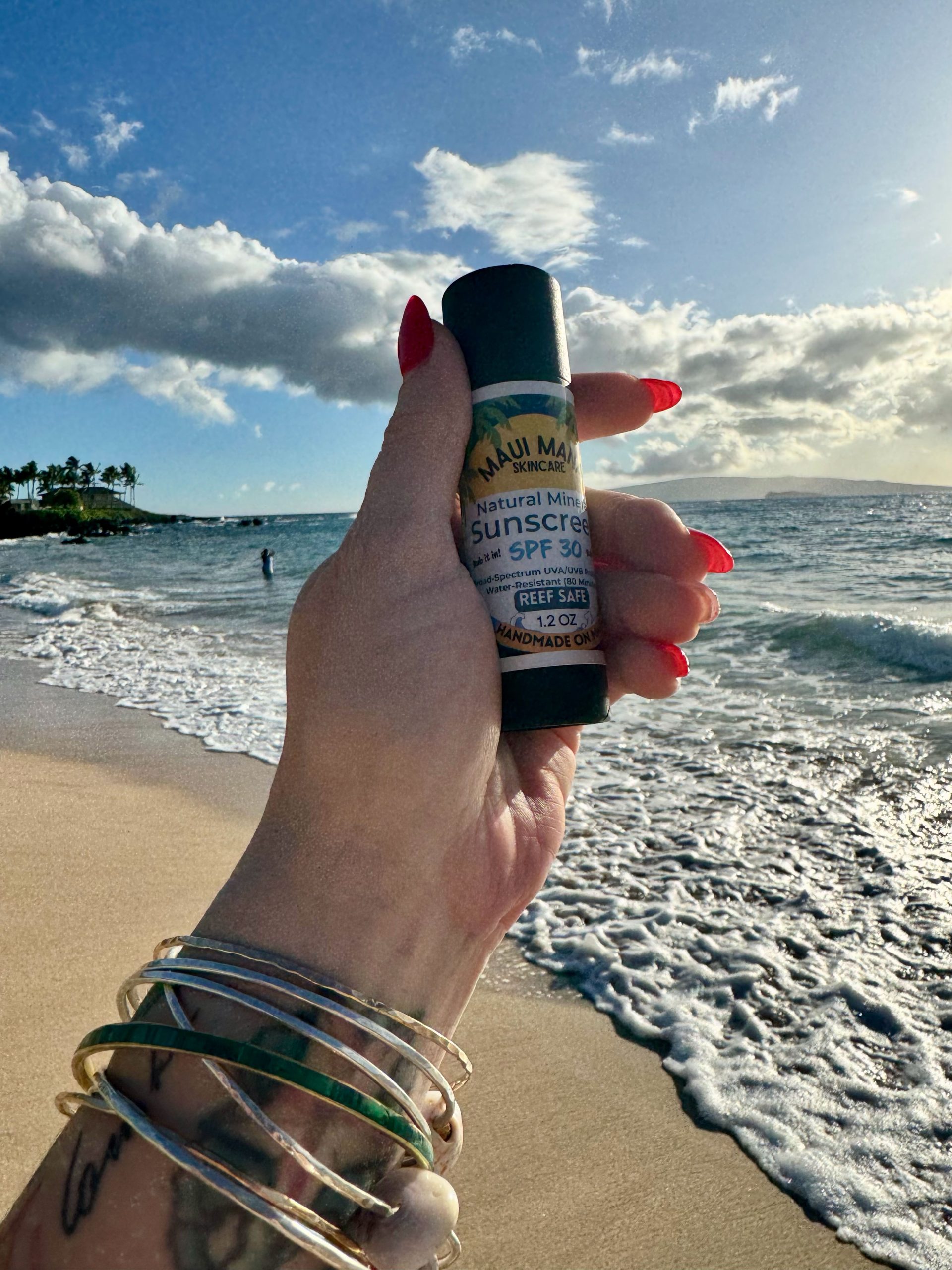
Mineral-based (physical sunscreen)
- Uses non-nano zinc oxide as the active ingredient
- Sits on top of the skin and reflects UV rays
Free from harmful chemical filters
- No oxybenzone, octinoxate, or similar compounds
Non-nano particles
- Larger particles that are less likely to be absorbed by marine organisms
Minimal + intentional formulation
- Fewer unnecessary additives
- Ingredients chosen with both skin and environment in mind
Why Non-Nano Zinc Oxide Matters
Zinc oxide is widely considered the safest and most effective broad-spectrum UV filter when formulated correctly.
- Protects against both UVA + UVB rays
- Stable in sunlight (doesn’t break down easily)
- Safer for marine ecosystems when non-nano
The tradeoff?
It can leave a white cast—but that’s a formulation problem, not a reason to switch to harmful alternatives.
What Most People Don’t Realize
Even “better” sunscreens can still:
- Contain hidden synthetic additives
- Use coated or micronized particles without transparency
- Prioritize cosmetic feel over environmental impact
Reef-safe isn’t just about what’s removed—
it’s about what’s intentionally included.
How to Make Better Choices
When choosing sunscreen, look for:
- Non-nano zinc oxide (listed clearly)
- Short, understandable ingredient lists
- Transparency from the brand about sourcing + formulation
- No greenwashing language without proof
And beyond sunscreen:
- Wear protective clothing when possible
- Limit unnecessary product use in the ocean
- Be aware of what washes off your skin

Where Maui Mana Skincare Stands
This is where everything started.
Maui Mana Skincare was built around one core standard:
Protect your skin without compromising the ocean.
That means:
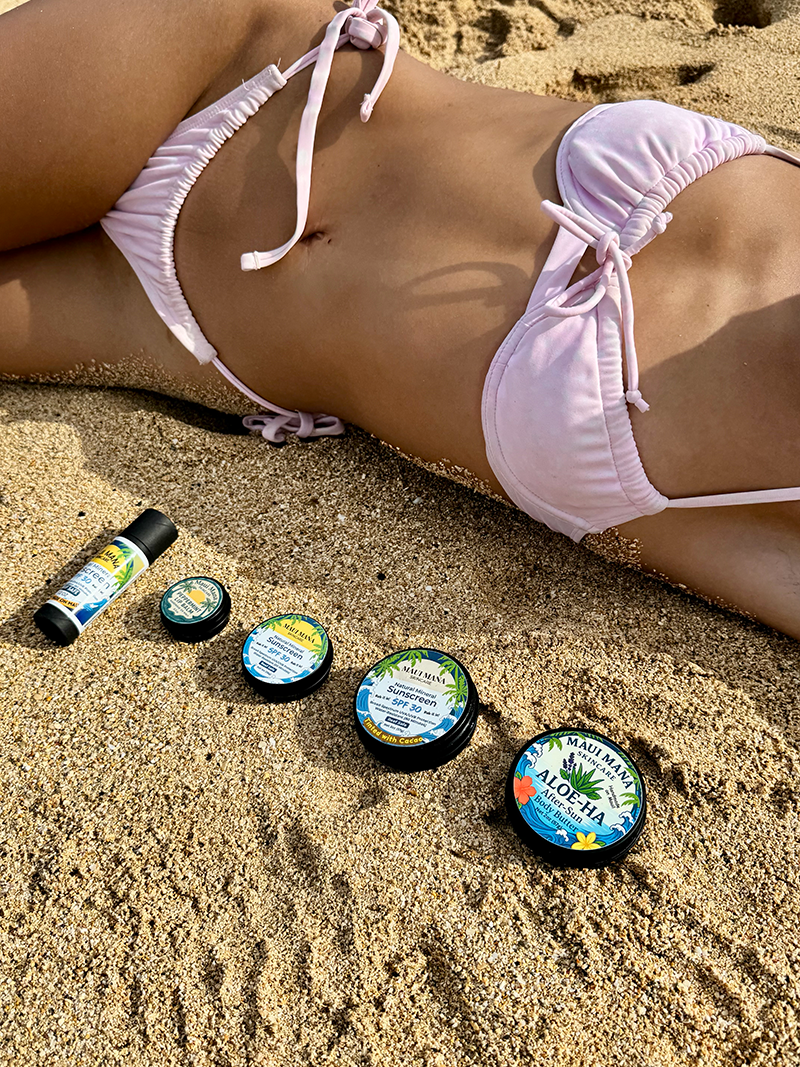
- Mineral-based, reef-conscious formulations
- No shortcuts for the sake of texture or trend
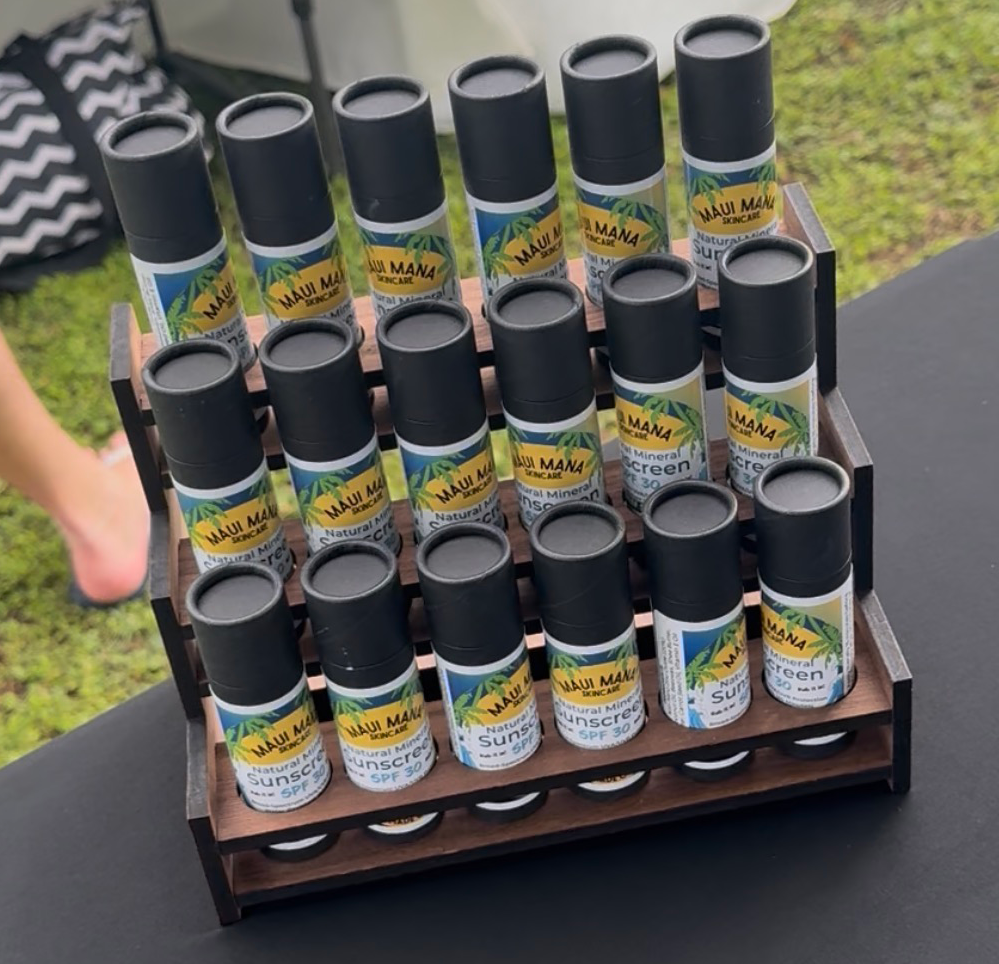
- Small-batch production with full control over ingredients
The Bigger Picture
Reef-safe isn’t a trend.
It’s a responsibility.
Healthy reefs protect coastlines, support marine life, and sustain entire communities—including Maui.
Every product choice adds up.
Skinsafe Education:
Skincare is often treated like it’s superficial.
It’s not.
Your skin is your largest organ—and while it’s a barrier, it’s not impenetrable. What you apply daily can interact with your body over time, especially with repeated use.
The Problem
Most people assume if something is sold, it’s safe.
That’s not how this industry works.
Many conventional skincare products contain:
- Synthetic preservatives
- Fragrance blends (often undisclosed mixtures)
- Penetration enhancers
- Petroleum-derived ingredients
Some of these are considered “allowed”—but that doesn’t always mean they’re ideal for long-term, repeated use.
Regulation sets minimum standards.
It does not guarantee optimal safety.
What Skin-Safe Actually Means
“Skin-safe” isn’t a marketing label. It’s a formulation approach.
It means:
Ingredient transparency
You can understand what’s in the product and why it’s there.
Low-toxicity profiles
Ingredients chosen based on safety data—not just cost or performance.
Barrier-respecting formulations
Products that support your skin, not disrupt it.
Minimal, functional ingredients
No filler. No unnecessary complexity.
Why Simplicity Matters
The more ingredients in a formula, the higher the risk of:
- Irritation
- Sensitization
- Long-term skin disruption
Skin doesn’t need 25 ingredients to function well.
It needs:
- Protection
- Moisture
- Support
That’s it.
Common Misconceptions
“If it feels good, it’s good for your skin.”
Not always. Many products are designed for immediate sensory appeal—not long-term skin health.
“Natural always means safe.”
Incorrect. Some natural ingredients can irritate or sensitize skin if not used properly.
“More actives = better results.”
Overloading your skin often leads to damage, not improvement.
What to Look For
When evaluating skincare:
- Short, understandable ingredient lists
- Oils and butters your skin recognizes (jojoba, coconut, etc.)
- Clear purpose behind each ingredient
- Brands that explain their formulations—not just market them
Avoid:
- Vague terms like “fragrance” without breakdown
- Overly complex formulas without clear function
- Trends that prioritize results over skin integrity
Where Maui Mana Skincare Stands
Skin-safe isn’t an afterthought—it’s the baseline.
Every product is formulated with:
- Non-toxic, intentionally chosen ingredients
- Small-batch control for consistency and quality
- A focus on supporting skin—not overwhelming it
No shortcuts. No filler. No unnecessary additives.
The Bigger Picture
Taking care of your skin shouldn’t feel complicated.
When you understand what you’re using—and why—you make better decisions.And better decisions, over time, change everything.